



When Should You Flush Your Brake Fluid To Prevent Condensation
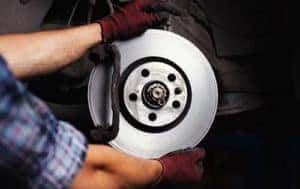 Brake fluid is often overlooked in routine car maintenance, but not taking care of it can have serious consequences. One of the biggest threats to your brake system’s performance and longevity is condensation, and understanding when to flush your brake fluid is key to preventing it. A good rule is to have your brakes flushed about every 30,000 miles. If that time has passed or is coming up, schedule an appointment with Russ Darrow today!
Most Wisconsin drivers know that routine car care involves checking the brakes. Squeaky brakes and a car that seems to be taking longer to stop than is normal get all the attention. However, many car owners forget brake fluid exists and are unaware of when to flush brake fluid to prevent condensation. Brake fluid is crucial in ensuring your vehicle’s brakes function correctly. This fluid helps move the parts in the brake’s hydraulic system, which enables your car to stop when you hit the brake pedals. Over time, brake fluid can become degraded with moisture, dirt, and other debris, which lessens its effectiveness. Brake fluid is hygroscopic, meaning it readily absorbs moisture from the air. This moisture can enter the brake lines, seals, and reservoir cap. Therefore, it is crucial to periodically flush your brake fluid to maintain your vehicle’s performance level and safety. There is no actual timing set about when to flush the brake fluid in your vehicle. It varies by the type of car, the driving conditions you typically experience, and your vehicle manufacturer’s recommendations. But the best thing to do is have your Russ Darrow technicians check it during regular oil changes. And then expect to flush it every 2-3 years or every 30,000-60,000 miles. Warning signs indicate that you should get your brake fluid checked as soon as possible, including fluid that smells burnt, is not clear in color, or is at a lower level than it’s supposed to be.
There are some things to watch for and be aware of that give you an idea that you should flush your brake fluid to help prevent condensation. One of the most common symptoms that it is time to change the fluid is when you notice a decrease in braking efficiency. If your brakes feel spongy, are slow to respond, or have to press down harder than usual to come to a stop, it could mean that your brake fluid needs to be flushed and changed. Additionally, if you notice a change in the color of your brake fluid, such as turning dark brown or black, this is another indication that it is time for a flush. Having a certified mechanic check and flush your brake fluid and reservoir is best. Many types of brake fluids have different ratings and specifications, and they cannot be mixed. When doing a brake fluid flush, the team will ensure the fluid is completely drained and replaced with the proper type for your vehicle. We recommend a brake fluid flush while changing brake calipers, pads, or rotors at Russ Darrow. Removing dirty fluid from the brake lines, especially on vehicles with anti-lock brakes (ABS) and traction control, ensures your braking system works appropriately. Schedule appointments for brake fluid flush and all your automotive needs online, and be confident that the job or repair gets done right. Protecting your braking system from the damaging effects of condensation takes a proactive approach. Stick to manufacturer recommendations, consider your driving conditions, and have your brake fluid inspected regularly at Russ Darrow Servie and Repair to ensure the best braking performance and prevent costly repairs.
0 comment(s) so far on When Should You Flush Your Brake Fluid To Prevent Condensation