



Mazda vs. Toyota for Confident Merges and Winter Lane Changes in Greenfield, WI
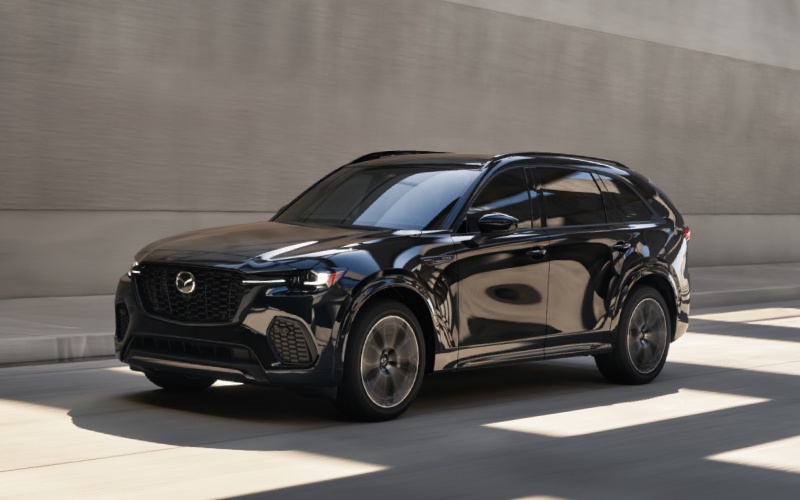
Russ Darrow Mazda of Greenfield – Mazda vs. Toyota for Confident Merges and Winter Lane Changes in Greenfield, WI
Greenfield drivers know the drill—slick morning commutes on I-894, rutted snow on Layton Avenue, and quick, short on-ramps near 27th Street that demand decisive merges. At Russ Darrow Mazda of Greenfield, we talk with shoppers who are weighing Mazda against Toyota because both brands have strong reputations for safety and dependability. The difference shows up in the split-second moments that matter here in southeastern Wisconsin—how a vehicle steers through a slushy lane change, how the all-wheel drive reacts as the surface changes, and how calm and focused you feel with gloved hands on the controls. This blog focuses on that real-world angle so you can choose with confidence.
While Toyota emphasizes broad accessibility and efficiency across many body styles, Mazda engineers for a uniquely connected drive. That clarity of purpose benefits Greenfield commuters who face frequent lane shifts, variable traction, and unpredictable winter microclimates that roll in off Lake Michigan. Across sedans, hatchbacks, and SUVs, Mazda tuning and features help you place the vehicle exactly where you intend, even when the pavement is less than ideal. Toyota provides capable alternatives, especially for shoppers who prioritize a touchscreen-first interface or widespread hybrid availability, but Mazda typically delivers more nuanced control, cabin quiet, and driver confidence—key advantages for our local roads and winters.
Let’s break down what you will feel from behind the wheel during those tight merges and mid-winter lane changes, comparing the brands in a way that applies whether you are cross-shopping compact SUVs, midsize three-row SUVs, or compact cars.
Steering feel and body control when space is tight
Merging onto I-894 during rush hour often means threading a narrow gap while the surface transitions from salt-damp to dry. Mazda’s chassis philosophy—often summed up by the term “jinba ittai,” or rider-and-horse-as-one—shines here. Features like G-Vectoring Control Plus subtly manage engine torque and braking to settle the vehicle as you turn the wheel, making steering inputs feel precise and natural. Across the lineup, that translates to less head toss for passengers and a smoother, more predictable arc as you change lanes.
Toyota vehicles are easy to drive and confidence-inspiring for many shoppers. However, the steering feel in comparable Toyota body styles is frequently tuned for light effort and isolation. That can be comfortable, but it may not provide the same detailed feedback you get in Mazda vehicles when you are judging grip across plowed tire tracks or crosswind gusts on the way toward downtown Milwaukee. If you value a planted, communicative front end for surgical merges and quick corrections, Mazda tends to deliver an edge.
AWD logic that anticipates Greenfield’s changing traction
Winter lane changes are where predictive torque distribution matters. Mazda’s i-ACTIV AWD® continuously reads inputs from wheel speeds, steering, throttle, ambient temperature, and more to preemptively send torque where it helps most. That proactive nature is clutch when you traverse the sheen left by overnight refreeze near the I-43/894 connectors or roll from a dry patch into a slushy groove mid-lane-change.
Toyota offers several AWD systems that are proven and effective. Multi-Terrain Select and available torque-vectoring features on select Toyota SUVs enhance capability off pavement and in adverse conditions. In day-to-day Greenfield commuting, though, Mazda’s consistently natural, unobtrusive intervention stands out. You feel the car stay balanced as traction shifts, rather than feeling the system step in after slip has already started.
Cabin quiet and control placement that reduce winter driving fatigue
Calm drivers make better decisions. Mazda cabins are designed to reduce fatigue with thoughtful ergonomics—pedal placement, seat posture, clear sightlines—and premium materials that help dampen noise. After a long loop around the Zoo Interchange in gusty weather, the lower noise floor and refined ride can make you feel fresher and more focused for that last mile along South 76th Street.
Toyota cabins are durable and user-friendly, with straightforward controls and widespread adoption of touchscreen interfaces. Toyota’s “touch-first” approach works well for many shoppers. Mazda counters with tactile redundancy—intuitive physical controls like the Commander Control in many models—so you can make adjustments with gloved hands without taking your eyes off the road. In winter, that tactile confidence is a meaningful advantage.
Driver assistance tuned for real-world commuting
Modern assistance systems are strong across both brands. Mazda’s i-ACTIVSENSE includes features such as Mazda Radar Cruise Control with Stop & Go, Lane-keep Assist System, Smart Brake Support, and Blind Spot Monitoring with Rear Cross Traffic Alert. Toyota Safety Sense 3.0 also brings robust support with systems like Pre-Collision with Pedestrian Detection, Lane Tracing Assist, Dynamic Radar Cruise Control, and Road Sign Assist.
The practical difference comes down to behavior on our local roads. Mazda places a premium on natural, confidence-building intervention that complements the driver’s inputs without feeling intrusive. In frequent lane changes or when merging from short ramps, that calibration helps you stay engaged and in command. Toyota’s systems are effective and widely available, and some drivers appreciate the assertiveness of the visual and audible prompts. If you prefer a more human-centric, less interrupted flow, Mazda’s tuning will likely feel more polished.
Infotainment and connectivity during cold-weather routines
Both brands support seamless smartphone integration. MAZDA CONNECT offers available wireless Apple CarPlay and Android Auto on select models, and select new Mazda vehicles provide Google built-in for native navigation and apps without a phone connected. Toyota’s Audio Multimedia system is touchscreen-forward, offers available wireless smartphone integration, and features voice commands that many owners enjoy.
In cold weather, Mazda’s combination of a clean UI and tactile controls can be easier to operate with light gloves or minimal screen interaction. That detail matters when you are making a quick adjustment on Layton Avenue with active traffic all around.
Electrification choices and efficient powertrains
Toyota has set the benchmark for hybrid availability across multiple body styles, which is appealing for efficiency-minded shoppers. Mazda is expanding electrified choices while preserving the brand’s engaging dynamics, including the Mazda CX-70 PHEV and Mazda CX-90 PHEV, plus the 2026 Mazda CX-50 Hybrid. For those who value smooth, responsive power, Mazda’s modern engines—paired with well-matched transmissions—deliver linear acceleration that helps with quick merges and confident passes on I-41/894.
Ultimately, if you want a driving experience that feels composed and intuitive in the exact situations Greenfield drivers face—short ramps, plowed ruts, and changing grip—Mazda’s engineering priorities tend to translate into real-world assurance.
To help you map those priorities to body styles, here is a quick guide you can use as a starting point when visiting our showroom at 3520 S 108th St, Greenfield, WI.
- Compact crossovers (daily commuters and small families): Mazda prioritizes steering precision, i-ACTIV AWD® predictability, and a quiet cabin—ideal for I-894 merges and school drop-offs; Toyota offers broad trim variety and hybrid availability that efficiency-first shoppers value.
- Midsize three-row SUVs (weekend trips and winter confidence): Mazda focuses on refined ride quality, responsive powertrains, and balanced AWD behavior that keeps lane changes smooth; Toyota counters with pragmatic packaging and family-friendly features across trims.
- Compact sedans and hatchbacks (urban parking and tight streets): Mazda’s chassis tuning and G-Vectoring Control Plus give a planted, nimble feel for quick maneuvers along South 76th Street; Toyota emphasizes easygoing drivability and straightforward tech.
While each brand has its strengths, we find that Mazda’s subtle tuning advantages show up every day in Greenfield’s specific driving environment. That is why our team focuses test drives on the quick accelerations to highway speed, mid-corner composure on worn pavement, and the way the AWD system behaves when the surface changes under load. Those are the moments that define how safe and confident you feel all winter long.
Ready to experience the difference for yourself? Our team at Russ Darrow Mazda of Greenfield can set up back-to-back drives on routes that mirror your commute—short ramps, lane changes, and a stretch of I-894—so you can feel how the vehicle reacts under the conditions you face most.
Frequently Asked Questions:
How does i-ACTIV AWD® feel different during a winter lane change?
Because it is predictive, i-ACTIV AWD® tends to stabilize the vehicle before you notice slip. As you steer across plowed ruts, the car stays composed, so you make fewer mid-correction inputs.
Is Mazda’s steering really that different from Toyota’s?
Many shoppers describe Mazda steering as more linear and communicative. In practice, that means you can judge grip better with small inputs, which helps with precise merges and quick adjustments on busy corridors like Layton Avenue.
Do Mazda vehicles have advanced safety comparable to Toyota?
Yes. Mazda’s i-ACTIVSENSE suite provides comprehensive active safety, and the tuning emphasizes smooth, supportive interventions. Toyota Safety Sense 3.0 is also robust—both brands perform well—so we recommend a real-world drive to compare how the systems behave on your routes.
What if I want hybrid efficiency for Greenfield commuting?
Toyota offers hybrids across many popular body styles. Mazda is expanding electrified options, including the Mazda CX-70 PHEV, Mazda CX-90 PHEV, and the 2026 Mazda CX-50 Hybrid, pairing efficiency with the engaging dynamics Mazda is known for.
Which Mazda models best match Greenfield winter needs?
Shoppers often start with the Mazda CX-5 and Mazda CX-50 for compact SUV versatility, and Mazda CX-90 for three-row capability. Across these, i-ACTIV AWD® and thoughtful chassis tuning deliver confidence on I-894 and local side streets when conditions vary.
Our goal is to match you with a vehicle that keeps you relaxed and in control through southeast Wisconsin’s seasons. Visit Russ Darrow Mazda of Greenfield to compare Mazda’s communicative steering, i-ACTIV AWD® poise, and quiet cabins against alternatives. We will help you test what matters most—how the vehicle feels during those decisive seconds when you merge, change lanes, and make winter driving look easy.
Stop by 3520 S 108th St, Greenfield, WI 53228, or call our team at 414-867-6227 to schedule a drive that recreates your daily commute. We are here to help you find the Mazda that fits your life in Greenfield, from weekday rush hour to weekend getaways.
0 comment(s) so far on Mazda vs. Toyota for Confident Merges and Winter Lane Changes in Greenfield, WI