



Choosing the Right OEM Brake Pads and Rotors for Mazda SUVs in Brookfield, WI
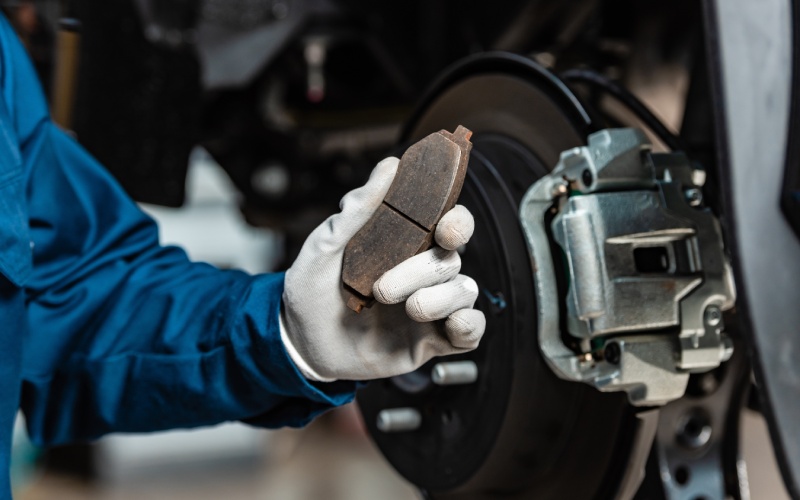
Russ Darrow Mazda of Greenfield – Choosing the Right OEM Brake Pads and Rotors for Mazda SUVs in Brookfield, WI
If you have ever shopped for brake pads and rotors and felt overwhelmed by compound choices, rotor styles, and “will it fit my trim?” uncertainty, you are not alone. This Brookfield-focused guide explains how to choose the correct Mazda OEM brake components for CX-5, CX-50, CX-90, and CX-30 owners who juggle errands around Bluemound Road and school drop-offs near Capitol Drive. The right match yields quieter stops, better pedal feel, and predictable ABS performance in wet or rough conditions. We will walk through what matters—fitment by VIN, pad compound differences, rotor sizing, and the supporting hardware that turns a good brake job into a great one.
Know your Mazda braking system and why fitment by VIN matters
Two CX-5s parked at The Corners may not share the same brakes. Trim, wheel size, and towing or appearance packages can alter rotor diameters, caliper castings, and pad shapes. Verifying by VIN avoids kit returns and mid-garage surprises. Proper fitment also protects wheel bearings and prevents runout that can cause pedal pulsation. OEM Mazda pads and rotors arrive engineered as a matched pair for your chassis weight, suspension geometry, and electronic brake distribution—key to consistent, drama-free stops on I-94 merges or Brookfield Square traffic. When in doubt, ask a parts specialist to check your VIN before you order.
Pad compounds decoded—what works for your daily route
Pad formulation drives noise, dust, and initial bite. For many Brookfield commutes with frequent stoplights, an OEM ceramic-based pad balances quiet operation, low dust, and long life. Metallic-heavy mixes may bite harder when cold but can add noise and chew rotors faster. On heavier SUVs like CX-90, Mazda tunes pad friction to the platform’s mass and rotor metallurgy, so pairing factory pads with factory rotors preserves that harmony. If you split time between downtown Milwaukee and suburban errands, prioritize pads tuned for linear, repeatable stops rather than aggressive compounds designed for track use—they can overheat rotors in daily traffic.
Hardware is not optional. Abutment clips, anti-rattle shims, and slider pin boots set the stage for a quiet, even clamp. Skipping these items invites squeal and tapered wear. OEM hardware fits precisely, helping calipers retract cleanly—vital for fuel economy and pad longevity. When you open the box, compare clip geometry and shim profiles to your old parts; if they differ, confirm the part number before proceeding.
Rotor choices—vented, solid, and the right dimensions
Rotor selection is more than diameter. Vent design, vane count, and thickness help manage heat on repeated stops heading down Moorland Road or after a fast I-41 exit. Incorrect thickness can reduce heat capacity and increase fade; incorrect hat depth or hub bore can create alignment issues and ABS trouble codes. Stick to OEM Mazda rotors for proven metallurgy, proper vane engineering, and precise machining that keeps lateral runout in check. When rotors show deep scoring, heat checking, or are at or below the minimum thickness cast into the hat, replacement beats resurfacing for quiet, consistent results.
Consider your environment, too. Wisconsin’s freeze-thaw cycles and road treatments can accelerate corrosion at the rotor hat and edges. OEM protective coatings slow that process, helping your braking system look and perform better between services. Pairing new rotors with matching pads also gives you a clean surface for proper bed-in, which improves bite and reduces early-life noise.
Local checklist—choose confidently, install once
- Confirm by VIN: Verify your build to lock in the correct pad shape, rotor size, and hardware kit.
- Match compounds: Select OEM pads that balance quiet stops and longevity for suburban traffic patterns.
- Replace hardware: Include shims, abutment clips, and slider pin boots to prevent noise and tapered wear.
- Inspect calipers: Check for sticking pistons or worn pins that can undo a fresh brake job quickly.
- Flush fluid: Use Mazda-recommended DOT fluid; moisture and heat lower boiling point and hurt pedal feel.
Plan your install when you can complete both axles on the same day. Stage tools, break bar, torque wrench, and brake cleaner. After assembly, torque lugs in a crisscross pattern to spec; over-torquing invites rotor distortion and future pulsation. Perform a proper bed-in sequence—gentle stops first, then several medium stops from moderate speeds with cool-down in between. This transfers an even layer of pad material to the rotor and quiets the system for long-term performance.
Brakes do not live in isolation. If you feel steering shimmy while braking, inspect tires for cupping, confirm balance, and ensure suspension bushings are healthy. A fresh brake job paired with worn tires can still produce vibration around 45–60 mph. Likewise, weak batteries or failing wheel speed sensors can throw ABS lights and muddy your impression of brake pedal quality. A quick systems check before you start can save time.
When to escalate—signs you need more than pads and rotors
Consistent pulling under braking points to caliper or hose issues. Fluid leaks require immediate attention. Blueing or cracked rotors mean overheating—often from seized pins or overworked pads. If you tow occasionally or haul full cabins on weekends, consider inspecting brakes a bit earlier than the standard interval. For drivers near West Allis, WI who split driving between urban stop-and-go and higher-speed commutes, this preventive mindset keeps your system predictable and quiet year-round.
If you prefer expert confirmation before you order, lean on a parts counter that can check superseded part numbers and explain updates that improve noise control or pad life. A few minutes of verification can turn a one-day job into a same-morning job, and that is often the difference between a smooth weekend and a second parts run.
Frequently Asked Questions:
How can I tell if my rotors should be replaced instead of resurfaced?
If rotors show deep grooves, heat checking, cracks, or measure at or below the minimum thickness stamped on the hat, replace them. Replacement with OEM rotors usually yields quieter, more consistent stops than machining thin rotors.
Do I need new hardware if the old clips look fine?
Yes. Old clips and shims lose tension and damping. Fresh OEM hardware helps pads retract cleanly and reduces noise. It is a small cost that protects your larger investment in pads and rotors.
Are slotted or drilled rotors better for daily driving?
For daily road use, OEM solid or vented rotors without slots or drilling typically deliver the best balance of noise control, pad life, and ABS consistency. Specialty rotors are best reserved for specific use cases.
What is the best way to bed in new pads and rotors?
Start with several light stops to warm components, followed by a series of moderate stops from neighborhood speeds, allowing cool-down between each. Avoid full panic stops during the first 150–200 miles unless necessary.
Why do my new brakes squeal at low speed?
Common causes include missing shims, dry slider pins, or contaminated pad surfaces. Ensuring OEM hardware, properly lubricated pins, and a clean rotor face usually eliminates low-speed squeal.
Can I order parts and schedule installation together?
Yes. Place your order and request installation at the same time so parts can be staged, minimizing downtime and ensuring component compatibility at install.
Whether you wrench at home in Brookfield or want professional installation, one rule stands: verify by VIN and choose matched OEM components. That simple step keeps braking performance true to Mazda’s engineering across stoplights, roundabouts, and weekend freeway miles. For parts expertise, ordering support, and installation coordination, the team at Russ Darrow Mazda of Greenfield is ready to help you finish the job right the first time.
0 comment(s) so far on Choosing the Right OEM Brake Pads and Rotors for Mazda SUVs in Brookfield, WI