



Brake Noise, Vibration, and Brake Repair for West Allis, WI Drivers
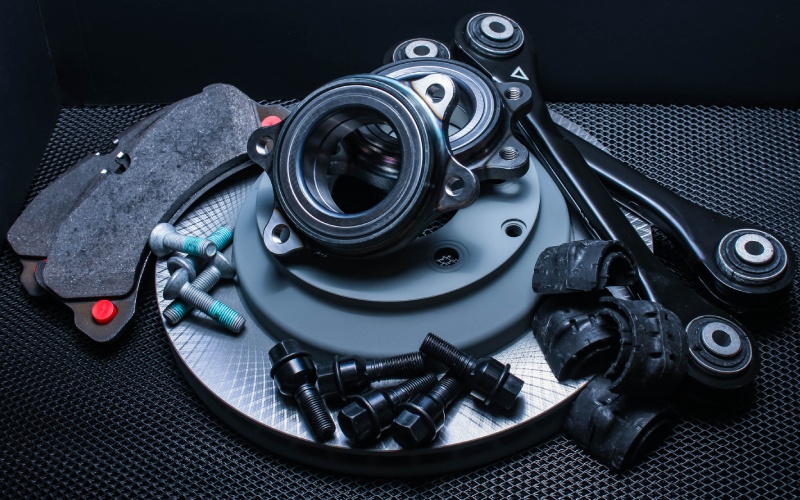
Russ Darrow Mazda of Greenfield – Brake Noise, Vibration, and Brake Repair for West Allis, WI Drivers
Brake concerns often start subtly. A faint squeak, a slight steering wheel shake, a longer stopping distance, or a pedal that feels different than usual can be easy to dismiss during a busy week. For West Allis, WI drivers who commute along I-894, run errands near Highway 100, or travel between Greenfield, Milwaukee, and nearby suburbs, responsive brakes are essential to daily confidence. A brake system is more than pads and rotors; it also includes calipers, brake fluid, hydraulic lines, hardware, sensors, and tires that all work together when you slow down or stop. When one part begins to wear or operate unevenly, the entire system can feel less predictable. Our Mazda service department helps drivers identify brake issues early with inspections, pad replacement, rotor service, brake fluid checks, and related maintenance for Mazda models and many other makes and models.
Common Brake Warning Signs Drivers Notice
Brake noise is one of the most common reasons a driver schedules service, but the type of noise matters. A light squeak can be caused by moisture, dust, or pad material, while a high-pitched wear indicator sound may mean the brake pads are nearing replacement. Grinding is more serious and can suggest that friction material is worn down enough to allow metal contact. Vibration during braking may point to rotor thickness variation, uneven pad transfer, or worn suspension components that become noticeable when braking force shifts vehicle weight forward. A soft or spongy pedal may indicate low fluid, air in the hydraulic system, or another concern that deserves prompt inspection. Pulling to one side while braking can involve calipers, tires, alignment, or uneven brake wear. Because symptoms can overlap, professional diagnosis is the most reliable way to determine what needs attention.
- Squealing sound: Brake pads may be worn, glazed, contaminated, or affected by hardware condition.
- Grinding noise: The vehicle should be inspected quickly to help prevent additional rotor or caliper damage.
- Steering wheel vibration: Rotor surface condition, tire issues, or suspension wear may be contributing to the shake.
- Soft brake pedal: Brake fluid level, hydraulic pressure, or air in the system may need to be checked.
- Burning smell after braking: Overheated brakes, a sticking caliper, or aggressive braking conditions may be involved.
Why West Allis Driving Can Wear Brakes Unevenly
Local driving patterns can affect brake wear more than many drivers realize. Stop-and-go traffic on busy commercial roads, frequent turns into shopping centers, neighborhood speed changes, and highway exit ramps all create repeated heat cycles in the brake system. A vehicle used mostly for short trips may experience more frequent braking per mile than a vehicle used mainly for open highway travel. Heavier SUVs such as a Mazda CX-90 or CX-70 can place different demands on pads and rotors than a compact Mazda3 or CX-30, especially when loaded with passengers or cargo. All-wheel drive does not eliminate brake wear, and advanced safety features still depend on healthy mechanical braking components. That is why routine brake inspections are useful even before a warning light appears or noise becomes obvious.
Our service process begins with listening to the driver’s concern and inspecting the brake system as a whole. Technicians measure pad thickness, look at rotor condition, inspect calipers and hardware, check for leaks, and evaluate brake fluid condition when appropriate. If the vehicle has an electronic parking brake, brake wear sensors, or Mazda-specific service procedures, our factory-trained team follows the correct steps for safe, accurate service. We also check related factors that can affect braking feel, including tires and alignment. A tire with uneven wear or low tread can reduce stopping confidence, while an alignment issue can create pulling that feels like a brake problem. Looking at the full picture helps our service department recommend the right repair instead of focusing on only one symptom.
Brake Pads, Rotors, and Fluid Explained
Brake pads create friction against the rotors to slow the vehicle. Over time, pad material wears down naturally. Rotors can also wear, develop surface variation, or become affected by heat. Depending on condition and manufacturer specifications, rotors may need resurfacing or replacement when pads are replaced. Brake fluid is equally important because it transfers pedal force through the hydraulic system. Over time, fluid can absorb moisture, which may reduce performance and contribute to internal corrosion. If a driver notices a pedal that feels soft, a warning light, or reduced braking confidence, fluid condition may be part of the diagnostic process. Regular service helps maintain the balanced feel and predictable stopping response that drivers expect from Mazda engineering and from any well-maintained vehicle.
- Inspection: The technician checks pads, rotors, calipers, hardware, hoses, and fluid condition.
- Measurement: Pad thickness and rotor specifications help determine whether parts are within usable range.
- Diagnosis: Noise, vibration, pulling, or pedal feel is matched to physical findings.
- Recommendation: The service advisor explains what needs attention now and what can be monitored.
- Repair: Approved work is completed using proper procedures and quality parts.
When to Schedule Brake Service
Schedule brake service as soon as you notice grinding, a flashing brake warning indicator, fluid leakage, a pedal that sinks unusually low, or a major change in stopping distance. For less urgent symptoms such as light squeaking or mild vibration, it is still smart to schedule an inspection soon, especially if the vehicle is used daily. Waiting too long can allow pad wear to damage rotors or cause additional strain on calipers and hardware. Routine maintenance visits are also a good time to ask for a brake inspection, particularly during oil changes, tire rotations, or multi-point inspections. Our service center offers convenient scheduling, weekday and Saturday service hours, OEM Mazda parts when applicable, and care for many makes and models.
Frequently Asked Questions:
How often should brakes be inspected?
Many drivers benefit from a brake inspection during routine maintenance visits, especially oil changes or tire rotations. Driving habits, vehicle weight, traffic patterns, and mileage all influence wear.
Is brake noise always a sign of worn pads?
No. Noise can come from pad wear, dust, hardware, rotor surface condition, moisture, or caliper concerns. A technician can identify whether the noise is normal, minor, or repair-related.
Can I replace only the brake pads?
Sometimes, but rotor condition must be inspected first. New pads installed on damaged or out-of-spec rotors may create noise, vibration, or reduced performance.
Do you service brakes on vehicles other than Mazda?
Yes. Our service department works on Mazda vehicles and many other makes and models, so West Allis drivers can schedule brake inspections and repairs with confidence.
If your vehicle is squealing, grinding, vibrating, or simply not stopping the way it should, our team is ready to help. Schedule brake service online or contact our service department to choose a convenient appointment time. We will inspect the system, explain the findings clearly, and help you move forward with maintenance or repair that supports safer, more confident driving around West Allis, WI and the surrounding Milwaukee area.
0 comment(s) so far on Brake Noise, Vibration, and Brake Repair for West Allis, WI Drivers